Open post

The Benefits of Professional Dive Training at Mystic Dive Center

Diving is an exhilarating sport that opens up a whole new world beneath the water’s surface, offering unparalleled adventures and experiences. Whether you dream of exploring colorful coral reefs, encountering marine wildlife, or becoming a professional dive instructor, diving training is a crucial step in ensuring both safety and enjoyment in the underwater world. Mystic Dive Center, known for its expert-led courses and a strong focus on safety, offers professional dive training that is both enriching and rewarding. Here are some of the key benefits of enrolling in professional dive training at Mystic Dive Center.

1. Expert Instruction from Certified Professionals

One of the standout benefits of training at Mystic Dive Center is the opportunity to learn from highly experienced and certified instructors. The center employs instructors who are not only passionate about diving but also possess vast experience in both teaching and underwater exploration. They are certified by well-recognized organizations such as the Professional Association of Diving Instructors (PADI), Scuba Schools International (SSI), and others, ensuring that students receive top-notch instruction that adheres to global diving standards.

These professional instructors provide personalized guidance, ensuring that students receive a comprehensive understanding of diving principles, techniques, and safety protocols. This level of expert instruction is invaluable for both beginners and experienced divers, as it enhances skills and builds confidence in the water.

2. Comprehensive Training Programs for All Levels

Mystic Dive Center offers a variety of courses that cater to divers of all skill levels, from beginners to seasoned professionals. The center’s comprehensive curriculum includes:

  • Introductory Courses: For those new to the world of diving, Mystic Dive Center provides beginner-friendly programs such as Discover Scuba Diving, where newcomers can experience the thrill of diving in a safe and controlled environment. These programs introduce basic skills and familiarize students with diving equipment, building a foundation for future dives.
  • Certification Courses: Mystic Dive Center is a recognized PADI and SSI dive school, offering certification programs that follow internationally recognized standards. Popular courses such as the Open Water Diver course, Advanced Open Water Diver, Rescue Diver, and Divemaster provide essential skills for individuals aiming to dive independently, deepen their diving knowledge, or become professional divers.
  • Specialty Courses: For experienced divers looking to specialize in specific types of diving, Mystic Dive Center offers specialty courses in areas like underwater photography, wreck diving, night diving, and deep diving. These specialty courses allow divers to expand their knowledge and skills, making them more versatile and competent in different diving environments.

By offering training at every level, Mystic Dive Center ensures that each diver has the opportunity to progress at their own pace, from initial certification to professional-level dive instruction.

3. Safety First: A Focus on Risk Management and Best Practices

One of the most important aspects of diving is safety. Diving can present physical and environmental challenges, so it’s essential to receive training that emphasizes proper risk management, equipment handling, and emergency procedures. Mystic Dive Center places a strong emphasis on safety, and their training programs incorporate safety drills, emergency response protocols, and knowledge about managing different dive conditions.

Mystic Dive Center’s instructors teach students how to prevent accidents and how to handle emergencies should they arise. By learning effective communication signals, understanding diving tables, and mastering buoyancy control, divers develop skills that minimize risks and enhance their overall diving experience. With a focus on safety, students gain the confidence needed to dive in various conditions, knowing that they are prepared for any situation.

4. Access to State-of-the-Art Equipment and Facilities

Another benefit of training at Mystic Dive Center is the access to state-of-the-art diving equipment and facilities. The center invests in high-quality gear, ensuring that students are diving with modern and reliable equipment. This includes everything from wetsuits and regulators to tanks and dive computers. Training with professional-grade equipment helps students become familiar with the tools they will use on real dives, allowing them to dive confidently and comfortably.

In addition to top-tier gear, Mystic Dive Center also boasts well-maintained facilities, including a classroom for theory lessons and a diving pool for confined water training. The center’s location is typically chosen for its proximity to ideal diving spots, which means that students can practice what they’ve learned in real-world, open-water environments—whether it’s a pristine coral reef or an exciting wreck dive.

5. Hands-On Experience in Local and Global Dive Sites

Mystic Dive Center not only offers expert instruction and professional equipment, but it also provides divers with hands-on experience in a variety of local and global dive sites. The center typically organizes dive trips to various renowned dive locations, giving students the chance to explore diverse underwater ecosystems.

These trips expose divers to different conditions, such as varying depths, currents, and marine environments. Students learn to adjust their diving techniques according to the unique challenges posed by each site. Mystic Dive Center also emphasizes environmental stewardship during these excursions, teaching divers to respect marine life and practice eco-friendly diving habits. This real-world experience is invaluable, as it helps divers apply their knowledge and become more confident and capable underwater explorers.

6. Personal Growth and Confidence

Diving is not only a physically engaging activity, but it is also mentally and emotionally enriching. It teaches patience, problem-solving, and adaptability—qualities that help divers grow both in and out of the water. Professional training at Mystic Dive Center helps build personal confidence, as divers become increasingly skilled and capable in challenging environments.

Through consistent training, divers learn to push past their comfort zones, face fears (such as claustrophobia or anxiety), and embrace the beauty and excitement of the underwater world. The sense of accomplishment and self-reliance that comes with becoming a certified diver is immense.

7. Networking and Community

Finally, one of the most enjoyable benefits of diving at Mystic Dive Center is the opportunity to join a welcoming and supportive diving community. The center fosters a positive social environment where divers can connect, share experiences, and learn from one another. For those interested in pursuing a career in diving or simply looking to continue their diving journey, Mystic Dive Center offers a network of like-minded individuals, providing support and encouragement throughout their diving career.

Whether you’re attending training sessions, going on group dives, or participating in social events, Mystic Dive Center’s community is an integral part of the experience, creating lasting friendships and a sense of belonging.

Conclusion

Professional dive training at Mystic Dive Center offers an array of benefits, from expert instruction and comprehensive courses to top-quality equipment and hands-on experience. By joining the center’s training programs, divers of all levels can gain the skills, knowledge, and confidence needed to explore the underwater world safely and responsibly. With a strong emphasis on safety, community, and environmental stewardship, Mystic Dive Center provides not only technical dive education but also a holistic approach to the sport, helping divers grow personally and professionally. Whether you’re diving for leisure or considering a career in diving, Mystic Dive Center offers a path to discovery, growth, and adventure.

For those seeking balance beyond the water, London Somatic Therapy offers a powerful way to reconnect with the body and release stored tension. Many divers find that combining somatic practices with professional dive training helps them stay calm, centred, and fully present during every underwater experience.
Open post

Preparing for Your First Dive: What to Expect at Mystic Dive Center

Diving into the world of scuba can be an exhilarating and life-changing experience, offering a chance to explore the vibrant underwater world in ways that few other activities can. Mystic Dive Center, renowned for its welcoming environment and professional approach to scuba training, is an ideal place to embark on your first dive. Whether you’re looking to take your first breath underwater or are preparing to explore the deeper, more complex aspects of the sport, Mystic Dive Center offers everything you need for a safe, enjoyable, and unforgettable experience.

Preparing for your first dive at Mystic Dive Center requires understanding what to expect during the process, the steps involved, and how to ensure you’re fully prepared to dive safely and confidently. Here’s a detailed overview of what you can expect from your first dive and how Mystic Dive Center prepares you for this exciting adventure.

1. Initial Consultation and Health Assessment

Before even putting on the gear, Mystic Dive Center ensures that all first-time divers are properly prepared both mentally and physically. Your first step will be an initial consultation with one of their expert instructors, who will explain the basics of diving, the equipment involved, and safety protocols. They’ll answer any questions you may have about the sport, as well as guide you through the preparation process.

As part of this consultation, you’ll also be asked to complete a health assessment. Scuba diving can put unique stress on your body, so it’s crucial that you’re in good health to ensure a safe experience. You’ll be asked to answer questions regarding any medical conditions, and if necessary, you may be asked to consult a physician before proceeding with your dive. This is a standard practice to ensure that your dive will be as safe and enjoyable as possible.

2. Classroom Instruction and Briefing

Once you’ve been cleared to dive, your first step will be to attend a classroom session. This session is designed to provide you with the basic knowledge you need for a safe dive, focusing on topics like the science of scuba diving, the equipment you’ll be using, and basic dive theory. Mystic Dive Center’s instructors are patient and thorough, ensuring that every first-time diver has a solid understanding of the fundamentals before entering the water.

You’ll learn about the essential scuba diving equipment, including the mask, snorkel, fins, regulator, buoyancy control device (BCD), and tank. The instructor will walk you through how each piece of equipment works, how to put it on correctly, and why each component is crucial for your safety.

One key aspect of this classroom session will be learning about breathing techniques. Since you’ll be breathing from a tank underwater, it’s important to understand how to regulate your breath and conserve air. Instructors will teach you how to breathe slowly and deeply, which not only conserves air but also helps you remain calm during the dive.

Additionally, the session will cover basic dive safety, including how to equalize the pressure in your ears as you descend and ascend, how to communicate underwater using hand signals, and what to do in the event of an emergency.

3. Pool Training: Your First Experience with Scuba Gear

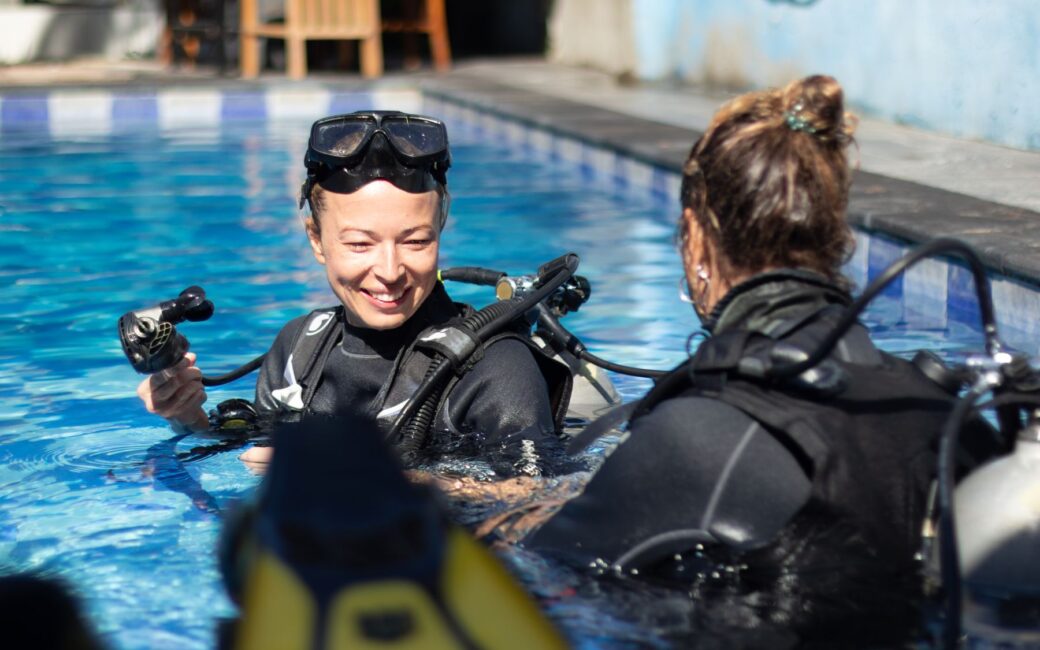
The next step in your dive training at Mystic Dive Center will be the pool session. Here, you’ll have the opportunity to practice what you’ve learned in the classroom in a controlled, safe environment. The center uses a pool to simulate the conditions of an open-water dive, allowing you to get comfortable with the equipment and skills without the added complexity of ocean currents, tides, and visibility challenges.

During your pool training, you’ll learn essential skills, such as how to clear your mask if it fills with water, how to retrieve your regulator if it comes out of your mouth, and how to perform a controlled ascent. These skills are vital for ensuring your comfort and safety underwater.

Your instructor will guide you step-by-step, making sure that you feel confident and comfortable with the equipment and techniques before moving on to the actual dive. This session is a great opportunity to ask questions and clarify any concerns you may have about the process.

4. The Open-Water Dive: The Real Adventure Begins

After successfully completing the classroom and pool training, it’s time for your open-water dive, the moment you’ve been preparing for. Mystic Dive Center offers guided open-water dives in calm, shallow waters, perfect for first-time divers. This environment allows you to experience the beauty of the underwater world while ensuring that the conditions are safe and manageable.

Before entering the water, you’ll go through a final briefing with your instructor, reviewing safety procedures and making sure you’re completely prepared. You’ll check your equipment one last time to ensure everything is working properly, and then you’ll gear up.

Once in the water, your instructor will guide you through the dive, helping you get accustomed to your buoyancy and breathing techniques. The first dive is typically a shallow, introductory dive where you’ll descend slowly, allowing your body to adjust to the pressure changes. The focus will be on comfort and familiarization with the underwater environment.

Throughout the dive, your instructor will stay close, monitoring your progress and ensuring that you’re following safe diving practices. The first dive is usually an exciting experience, and you’ll be able to take in the mesmerizing sights beneath the surface—perhaps seeing schools of fish, coral reefs, and other aquatic life.

The entire open-water dive will typically last around 30 to 45 minutes, depending on the conditions and the diver’s comfort level. After the dive, you’ll return to the surface, where you’ll have the opportunity to reflect on the experience and discuss any questions you might have with your instructor.

5. Post-Dive Debrief and Certification

Once your first dive is complete, Mystic Dive Center will conduct a post-dive debriefing, where your instructor will discuss the dive’s highlights, review safety procedures, and offer advice for future dives. They’ll also discuss the importance of staying hydrated, following the dive tables, and avoiding alcohol after diving.

If you’ve completed all of the necessary training and dives, you’ll be awarded a scuba diving certification. This certification opens up opportunities for future dives, whether with Mystic Dive Center or other dive operations around the world. Your certification demonstrates that you have the basic skills and knowledge needed to dive safely and responsibly.

Conclusion: An Unforgettable Experience

Your first dive at Mystic Dive Center will be an exciting, rewarding experience that introduces you to the wonders of the underwater world. With the guidance of expert instructors, thorough preparation, and a focus on safety, Mystic Dive Center ensures that your first dive is not only enjoyable but also a safe and confident step toward becoming a skilled and responsible diver. Whether you’re diving for the first time or planning your next underwater adventure, Mystic Dive Center is the perfect place to begin your journey into the depths.

Open post

Top Dive Sites to Discover with Mystic Dive Center

Mystic Dive Center, a premier dive operator located in a renowned diving destination, offers an unparalleled opportunity to explore the underwater world. Known for its exceptional dive experiences, professional guides, and commitment to sustainability, Mystic Dive Center invites divers of all levels to discover some of the top dive sites in the region. From vibrant coral reefs to breathtaking shipwrecks, these dive sites offer something for everyone—from beginner divers to seasoned underwater explorers.

1. The Coral Gardens

A short boat ride from Mystic Dive Center lies one of the most famous dive sites in the region: The Coral Gardens. This shallow dive site is perfect for novice divers but also offers something for experienced divers who wish to take a relaxed, yet awe-inspiring dive. The Coral Gardens are home to an impressive array of marine life, including colorful soft and hard corals, vibrant sponges, and large schools of fish.

The clear, warm waters of The Coral Gardens provide excellent visibility, making it an ideal location for underwater photography. Divers will have the chance to encounter various species of reef fish such as parrotfish, angelfish, and butterflyfish, as well as occasional sightings of larger creatures like sea turtles and rays. The site is also rich in macro life, making it a favorite for those who enjoy spotting tiny critters like nudibranchs, shrimp, and sea slugs.

2. The Blue Hole

For divers seeking a more challenging adventure, The Blue Hole is an absolute must-see. Located in a secluded area, The Blue Hole is a deep, marine sinkhole that offers a dramatic dive experience. The site descends to depths of over 130 feet (40 meters), attracting advanced divers and those with technical diving certifications. The dive begins in crystal-clear waters, where divers can explore the unique limestone walls that form the rim of the hole.

One of the most thrilling aspects of diving The Blue Hole is the chance to explore its unique geology and marine life. As divers descend, the deep blue waters reveal stunning underwater stalactites and impressive formations, offering a glimpse into the planet’s geological past. Divers will also find schools of fish, including snapper and groupers, and may even encounter the occasional shark or pelagic fish. The dive concludes with a dramatic ascent, offering divers a safe and scenic view of the surroundings.

3. The Wreck of the SS Elma

History enthusiasts and wreck diving aficionados will love The Wreck of the SS Elma, one of the most famous shipwrecks in the area. Resting at a depth of 60 to 100 feet (18 to 30 meters), this historic wreck is a fascinating site for both beginner and intermediate divers. The SS Elma, a once-thriving cargo ship, sank decades ago after a storm, and today it serves as an artificial reef that attracts a wealth of marine life.

The wreck is easily accessible, and divers can explore the cargo hold, engine room, and surrounding areas. The Elma has become a haven for marine creatures, and divers can often spot schools of jacks, barracudas, and snappers swarming around the wreck. Larger predators like sharks and rays can also be seen circling the site, adding an extra layer of excitement for divers. The Elma is an incredible opportunity for underwater photographers to capture both the wreck’s eerie beauty and the diverse sea life that calls it home.

4. The Drift Dive at Devil’s Drop

For experienced divers looking for an adrenaline-pumping adventure, Devil’s Drop offers one of the most thrilling drift dives in the region. This site features strong currents, which allow divers to “drift” along a steep wall that descends to depths of 120 feet (36 meters). While this site is best suited for advanced divers due to the currents and depth, it offers a truly unforgettable experience.

The drift dive at Devil’s Drop takes divers through lush coral gardens, where vibrant sponges, corals, and soft corals thrive. As divers drift along the wall, they may encounter larger marine creatures such as eagle rays, tuna, and even dolphins that sometimes make an appearance. The currents often bring schools of pelagic fish, including jacks and snapper, adding excitement to the dive. The site’s combination of natural beauty and the thrill of drifting with the current makes it a favorite among advanced divers looking for something a little more intense.

5. The Pinnacles

The Pinnacles are a series of underwater peaks rising from the ocean floor, creating a dramatic and unique dive site that attracts divers from all over the world. The site is located at a depth of 40 to 90 feet (12 to 27 meters), making it suitable for intermediate divers. The Pinnacles are renowned for their stunning underwater topography, with massive rock formations, tunnels, and swim-throughs.

Marine life at The Pinnacles is abundant and diverse. Divers can expect to see large schools of reef fish, including surgeonfish, wrasse, and butterflyfish. The site is also known for its frequent sightings of sharks, including reef sharks and even hammerheads, making it a thrilling location for those seeking a brush with larger predators. For divers who enjoy underwater photography, The Pinnacles offers plenty of opportunities to capture breathtaking shots of the underwater landscape and its dynamic inhabitants.

6. The Seagrass Meadows

While many divers flock to deeper, more dramatic dive sites, the Seagrass Meadows offer a peaceful and tranquil experience that is just as rewarding. Located near the shore, this shallow dive site is perfect for beginners or those who enjoy leisurely dives. The Seagrass Meadows are teeming with life, as the seagrass provides a safe habitat for juvenile fish and other marine species.

Divers will have the opportunity to spot sea turtles grazing on the seagrass, and the area is home to a variety of rays, including stingrays and eagle rays. The site is also a hotspot for macro life, with nudibranchs, seahorses, and small crustaceans often spotted among the seagrass blades. The Seagrass Meadows are an excellent place to practice buoyancy control and enjoy the tranquility of the underwater world.

7. The Caves of Eldorado

For divers seeking a more adventurous dive, The Caves of Eldorado offers an exciting opportunity to explore underwater caves. These caves, located at a depth of 40 to 100 feet (12 to 30 meters), are rich in stalactites, stalagmites, and unique rock formations that have formed over centuries. The caves are narrow, with several passages leading into larger chambers, providing divers with a sense of mystery and discovery.

As divers navigate through the caves, they may encounter species like lobsters, moray eels, and various species of crabs. The caves also provide shelter for smaller fish, and the chance to spot these elusive creatures in their natural environment is one of the highlights of this dive.

Conclusion

Mystic Dive Center offers an impressive range of dive sites, each offering a unique experience that will appeal to divers of all levels. Whether you’re exploring vibrant coral gardens, descending into the depths of a marine sinkhole, or investigating an old shipwreck, Mystic Dive Center provides the perfect base to discover the hidden treasures beneath the waves. With its expert dive guides, commitment to safety, and dedication to preserving the underwater environment, Mystic Dive Center is the ideal place to embark on an unforgettable underwater adventure.

Open post

A Comprehensive Guide to Scuba Diving Courses at Mystic Dive Center

Scuba diving is a thrilling activity that allows adventurers to explore the underwater world in all its glory. Whether you’re fascinated by marine life, seeking an adrenaline rush, or aiming to become a certified diver, Mystic Dive Center offers a range of courses designed for divers of all levels. This guide provides an in-depth look at the scuba diving courses offered by Mystic Dive Center, ensuring you know everything you need to get started or take your diving skills to the next level.

About Mystic Dive Center

Mystic Dive Center is a renowned diving school that has built a reputation for providing top-notch scuba diving education in a safe and friendly environment. Located in a prime area for diving, the center offers a wide variety of courses, guided dives, and other diving-related services. Its mission is to introduce people to the wonders of the underwater world while emphasizing safety, skill-building, and environmental responsibility.

The center’s experienced instructors, state-of-the-art equipment, and diverse selection of dive sites make it a popular choice for both beginners and seasoned divers. Mystic Dive Center has created a welcoming atmosphere where divers can learn at their own pace while ensuring a safe, enjoyable experience.

1. Discover Scuba Diving (Introductory Course)

The Discover Scuba Diving course is the perfect starting point for those who have always wanted to try scuba diving but aren’t sure if they want to commit to a full certification. This introductory program allows participants to experience the thrill of scuba diving under the supervision of a certified instructor.

The course typically lasts a few hours and includes a briefing on the basics of diving, followed by a guided dive in a controlled environment. Participants learn the fundamentals of scuba diving, such as how to use diving equipment, equalize pressure, and communicate underwater. It’s a fantastic way to see if scuba diving is right for you without committing to a full certification program.

2. Open Water Diver Certification

For those looking to become certified divers, the Open Water Diver course is the most popular and foundational certification available. This course is designed for beginners and teaches the essential skills needed to dive safely and comfortably.

The Open Water Diver course at Mystic Dive Center consists of three main components:

  • Knowledge Development: This is typically done through an online program or classroom sessions, where students learn the basic theory of scuba diving, including dive physics, equipment usage, and safety procedures.
  • Confined Water Training: In this portion of the course, students practice essential diving skills in a shallow, controlled environment, such as a pool. They learn how to use their equipment, how to clear water from their mask, and how to respond to potential underwater emergencies.
  • Open Water Dives: This is the exciting part of the course where students practice their skills in real dive sites, usually over the course of four open water dives. The dives allow students to explore the underwater environment while under the supervision of an instructor.

Upon successful completion, divers receive the PADI (Professional Association of Diving Instructors) Open Water Diver certification, which is recognized worldwide and allows divers to dive to a depth of 18 meters (60 feet) with a buddy.

3. Advanced Open Water Diver Certification

For divers who have already obtained their Open Water certification and are looking to enhance their skills, the Advanced Open Water Diver course is the next step. This course is designed to improve diving techniques, increase dive confidence, and introduce divers to new and exciting aspects of the underwater world.

The Advanced Open Water Diver course includes:

  • Five Adventure Dives: Two of these dives are required—deep diving and underwater navigation—while the remaining three dives can be chosen from a variety of specializations such as wreck diving, night diving, or fish identification.
  • Theory and Knowledge Development: While the course is largely hands-on, there is some theoretical learning about dive planning, safety procedures, and specialized diving techniques.

This course increases the depth limit to 30 meters (100 feet) and introduces divers to more advanced diving techniques, such as navigating with a compass and dealing with deeper dive conditions. The certification is again internationally recognized and opens doors to more exciting and challenging dive opportunities.

4. Rescue Diver Course

The Rescue Diver course is an advanced program designed for divers who want to take their skills to the next level by learning how to respond to emergencies and assist others in distress. This course is not just about self-rescue, but also about improving awareness and being able to respond effectively in emergency situations.

The Rescue Diver course consists of:

  • Knowledge Development: Understanding accident management, emergency procedures, and the psychology of diving emergencies.
  • Practical Skills: Learning techniques such as assisting a tired or panicked diver, performing simulated rescues, and managing unconscious divers.
  • Pool and Open Water Sessions: Practical exercises are performed in both controlled environments and open water to simulate real-life diving emergencies.

This course is an excellent choice for divers who wish to build confidence in handling emergency situations and is a prerequisite for those interested in pursuing professional diving roles such as Divemaster or Instructor.

5. Divemaster and Instructor Development Programs

For those interested in pursuing a professional career in diving, Mystic Dive Center offers Divemaster and Instructor Development Programs. These courses are designed for those who want to guide other divers, lead dive trips, and share their passion for diving with others.

  • Divemaster Course: This is the first step toward becoming a professional diver. Divemaster students learn dive site management, how to assist instructors in training courses, how to lead dives, and how to deal with diver issues during dives. The course includes both theory and practical sessions, and upon successful completion, graduates can assist instructors and lead certified divers on dives.
  • Instructor Development Course: This program prepares experienced divers to become PADI Open Water Scuba Instructors. The course focuses on teaching skills, dive theory, student management, and leading diving courses. Aspiring instructors will also learn how to conduct assessments and evaluate student performance.

Both programs require a significant commitment and are designed for dedicated individuals who aspire to make diving their career or take on leadership roles in the diving community.

6. Specialty Diver Courses

Mystic Dive Center also offers a variety of specialty courses that allow divers to explore specific types of diving and underwater environments. These specialty courses include:

  • Night Diver Certification
  • Wreck Diver Certification
  • Digital Underwater Photography
  • Enriched Air Nitrox Diver
  • Underwater Naturalist

These courses give divers the opportunity to specialize in certain areas of diving and enhance their skills in specific environments or with specific techniques.

Conclusion

Mystic Dive Center provides a comprehensive range of scuba diving courses designed to cater to divers at every stage of their journey, from beginners to professionals. Whether you’re just starting with the Discover Scuba Diving program or you’re ready to pursue a professional career with the Divemaster or Instructor Development courses, Mystic Dive Center offers expert instruction, world-class facilities, and a community of passionate divers. With its emphasis on safety, skill-building, and environmental conservation, Mystic Dive Center is the perfect place to start your scuba diving adventure or enhance your existing diving skills.

Open post

Exploring the Underwater Wonders with Mystic Dive Center

Mystic Dive Center offers an exhilarating gateway into the mesmerizing world beneath the waves. For divers, both novice and experienced, Mystic Dive Center is a sanctuary of adventure, education, and exploration, where every dive opens up new possibilities and awe-inspiring encounters with the underwater realm. Located in a prime diving destination, the dive center has earned a reputation for excellence in safety, environmental stewardship, and fostering a community of passionate ocean enthusiasts.

In this article, we will explore the many facets of Mystic Dive Center, from its dive programs and training courses to the biodiversity of marine life waiting to be discovered. Whether you are seeking the tranquility of a shallow coral reef or the thrill of exploring deeper wrecks and caves, Mystic Dive Center is the perfect place to immerse yourself in the underwater world.

Dive Programs and Training Courses

Mystic Dive Center is renowned for its comprehensive dive programs, offering courses that cater to all levels of divers. Whether you are taking your first plunge into the ocean or seeking advanced technical training, the dive center ensures that you are equipped with the skills and knowledge to dive confidently and safely.

For beginners, the Open Water Diver course is the first step into the world of scuba diving. Under the guidance of experienced and certified dive instructors, students learn the fundamentals of diving, including underwater breathing techniques, buoyancy control, and essential safety protocols. The course combines both classroom sessions and pool training, followed by real ocean dives where students can apply their skills in an open-water environment. The instructors at Mystic Dive Center are dedicated to creating a supportive and patient learning environment, making the experience enjoyable for divers of all backgrounds and abilities.

For those looking to expand their diving expertise, the dive center offers a range of advanced courses. The Advanced Open Water Diver certification allows divers to explore more challenging environments, including deeper waters and more complex dive sites. Mystic Dive Center also provides specialty courses such as wreck diving, night diving, cave diving, and underwater photography, enabling divers to hone their skills in specific areas of interest. Technical diving courses, including Nitrox and Trimix training, are also available for those seeking to extend their dive times and explore even deeper underwater realms.

Safety is a top priority at Mystic Dive Center, and the dive instructors place a strong emphasis on teaching proper dive planning, equipment handling, and emergency procedures. With a commitment to maintaining the highest standards of diver education, the center ensures that every student leaves with not only certification but also the confidence and competence to enjoy a lifetime of safe diving adventures.

Marine Life and Ecosystem Exploration

One of the most captivating aspects of diving with Mystic Dive Center is the incredible diversity of marine life and underwater ecosystems that divers can explore. The dive center is located in a region known for its vibrant coral reefs, diverse marine habitats, and rich biodiversity, making every dive a unique and unforgettable experience.

Coral reefs, often referred to as the “rainforests of the sea,” are home to an astonishing variety of marine species. During a dive, you’ll encounter colorful coral formations teeming with life, from small invertebrates like sea stars and anemones to larger marine creatures such as sea turtles, rays, and sharks. Mystic Dive Center’s instructors are knowledgeable about the local marine ecology, offering guided tours that highlight the various species and their interactions within the reef ecosystem.

For divers who prefer larger and more dramatic marine encounters, Mystic Dive Center offers trips to sites where whale sharks, manta rays, and other large pelagic species are frequently spotted. These gentle giants of the ocean are often a highlight for divers, providing awe-inspiring, up-close encounters that leave a lasting impression. Seasonal migrations of marine species provide additional opportunities to witness these magnificent creatures in their natural habitat.

Beyond coral reefs, Mystic Dive Center also offers dives in kelp forests, shipwrecks, and underwater caves. Each of these environments presents its own unique challenges and rewards, offering divers a wide range of experiences to choose from. Shipwrecks, for example, serve as artificial reefs that attract a variety of fish and invertebrate species, while the shadowy depths of caves offer a more mysterious and technical diving experience. No matter what type of underwater environment you are drawn to, Mystic Dive Center’s expert guides ensure that each dive is both safe and exciting.

Environmental Stewardship and Conservation

Mystic Dive Center is not only dedicated to offering exceptional dive experiences but also plays an active role in marine conservation and environmental stewardship. Recognizing the delicate balance of marine ecosystems and the threats posed by climate change, pollution, and overfishing, the dive center advocates for responsible diving practices that minimize human impact on the underwater environment.

As part of their commitment to protecting the ocean, Mystic Dive Center participates in a variety of marine conservation initiatives. These include regular reef clean-up dives, where divers help remove debris and plastic waste from the ocean, as well as coral restoration projects aimed at rebuilding damaged reef systems. The dive center also engages in citizen science programs, encouraging divers to contribute to scientific research by collecting data on marine species and environmental conditions during their dives.

Education is a key component of the dive center’s conservation efforts. Before each dive, instructors provide briefings on responsible diving practices, including how to avoid damaging sensitive marine environments and how to interact with marine life in a way that is respectful and non-intrusive. Mystic Dive Center also hosts workshops and seminars on marine biology and conservation topics, helping divers develop a deeper understanding of the ecosystems they explore and inspiring them to become advocates for ocean protection.

Dive Community and Adventure

At Mystic Dive Center, diving is not just an individual pursuit; it is a community-centered activity that fosters connections among ocean lovers from all walks of life. The dive center serves as a hub for a diverse and welcoming community of divers, where friendships are formed and shared experiences are celebrated. Group dive trips, both local and international, provide opportunities for divers to explore new dive sites and cultures together, creating lasting memories and deepening their passion for the underwater world.

For those looking to take their diving adventures even further, Mystic Dive Center organizes dive expeditions to exotic locations around the world. These trips offer the chance to explore some of the most remote and pristine dive sites on the planet, from the coral atolls of the South Pacific to the icy waters of the Arctic. With a focus on adventure and discovery, these expeditions allow divers to push their limits while experiencing the unparalleled beauty of the ocean.

Conclusion

Mystic Dive Center offers a unique and unforgettable gateway into the underwater world. Through its comprehensive training programs, diverse dive sites, and commitment to conservation, the dive center provides divers with the tools and knowledge to explore the ocean in a safe and responsible way. Whether you are a seasoned diver or just beginning your underwater journey, Mystic Dive Center invites you to discover the wonders of the sea and join a vibrant community of ocean enthusiasts who share a passion for exploration and preservation of the marine environment.

Open post

5 tips in learning how to swim

Certainly! If you’re interested in joining swimming classes, here are five steps to help you get started:

  1. Research Local Swimming Facilities: Look for local swimming facilities such as public pools, community centers, or private swim schools. Check their websites or contact them directly to gather information about available swimming classes, schedules, and fees. Consider the location and facilities offered to find a convenient and suitable option.
  2. Determine Your Skill Level: Swimming classes often cater to different skill levels, from beginners to advanced swimmers. Assess your own swimming proficiency honestly. Many programs categorize classes based on skill levels to ensure participants receive appropriate instruction and support.
  3. Contact the Swimming Facility or Instructor: Reach out to the swimming facility or instructor offering the classes. Inquire about the registration process, class availability, and any prerequisites. Ask about the instructor’s qualifications and teaching approach to ensure it aligns with your learning preferences.
  4. Register for a Suitable Class: Once you’ve gathered the necessary information, proceed with the registration process. Some facilities may allow online registration, while others may require in-person sign-ups. Provide any required personal information and be prepared to choose a class that fits your schedule and skill level.
  5. Prepare for Your First Class: Before your first swimming class, gather the necessary gear such as a swimsuit, swim cap, goggles, and a towel. Arrive early to familiarize yourself with the facility, change rooms, and pool rules. If you have any specific health concerns or questions, communicate them with the instructor or facility staff.

Remember, joining swimming classes is a positive step towards learning a valuable life skill. Don’t be afraid to ask questions and seek guidance from your instructor. They are there to help you progress and ensure a safe and enjoyable learning experience. Embrace the opportunity to learn and enjoy the many benefits that swimming can offer.

Open post

How to join swimming classes

Certainly! Learning how to swim can be an enjoyable and rewarding experience. Here are five tips to help you get started:

  1. Start with Basic Water Comfort: Before diving into swimming techniques, ensure you are comfortable in the water. Spend time in shallow areas, practice floating, and gradually progress to deeper water as you become more at ease. Familiarize yourself with the sensation of being in the water and build confidence gradually.
  2. Take Swimming Lessons: Consider enrolling in swimming lessons, especially if you are a beginner. Professional instructors can provide structured guidance, correct your form, and teach you essential swimming techniques. Lessons also offer a supportive environment for learning and help build your skills at a steady pace.
  3. Practice Regularly: Like any skill, swimming improves with consistent practice. Set aside dedicated time for swimming sessions, focusing on building endurance and refining your strokes. Regular practice not only enhances your swimming abilities but also reinforces water confidence and comfort.
  4. Learn Fundamental Swimming Strokes: Start with the basics of swimming strokes. Freestyle, backstroke, breaststroke, and elementary backstroke are fundamental techniques to master. Each stroke has its unique movements, and learning them provides a solid foundation for becoming a proficient swimmer. Start with one stroke at a time, mastering it before moving on to the next.
  5. Use Floatation Aids Gradually: While learning, consider using floatation aids like kickboards or arm floats to provide support. As you gain confidence and improve your swimming skills, gradually reduce reliance on these aids. This progressive approach allows you to build strength and develop proper swimming techniques at your own pace.

Remember to be patient with yourself and celebrate small victories along the way. Learning to swim is a gradual process, and everyone progresses at their own pace. If you have any concerns or fears, seek the guidance of a qualified swimming instructor who can provide personalized assistance and make your learning experience enjoyable and safe.

Open post

5 benefits of swimming classes

Participating in swimming classes offers numerous benefits, both for physical and mental well-being. Here are five key advantages:

  1. Improved Water Safety Skills: Swimming classes teach essential water safety skills, including floating, treading water, and proper swimming techniques. Learning these skills reduces the risk of accidents in aquatic environments, enhancing personal safety and confidence in and around water.
  2. Enhanced Physical Fitness: Swimming is a full-body workout that engages various muscle groups simultaneously. Regular participation in swimming classes improves cardiovascular health, builds muscle strength, enhances flexibility, and promotes overall physical fitness. It is a low-impact exercise, making it suitable for individuals of all ages and fitness levels.
  3. Increased Confidence and Self-Esteem: Overcoming the challenges of learning to swim can significantly boost self-confidence and self-esteem. As individuals acquire new swimming skills and gain proficiency in the water, they develop a sense of accomplishment and self-assurance. This newfound confidence often extends to other areas of life.
  4. Stress Reduction and Relaxation: Swimming is known for its therapeutic effects, promoting relaxation and stress reduction. The rhythmic and repetitive nature of swimming, combined with the buoyancy of water, can have a calming effect on the mind. Participating in swimming classes provides an opportunity to unwind, reduce stress levels, and improve mental well-being.
  5. Social Interaction and Community: Joining swimming classes offers a social and community aspect. Participants often share common goals and interests, creating a supportive and encouraging environment. The camaraderie developed in swimming classes can enhance the overall experience, making the learning process more enjoyable and fostering a sense of belonging.

Overall, swimming classes provide a holistic approach to physical and mental wellness, offering a range of benefits that extend beyond the pool. Whether you’re a beginner or an experienced swimmer, participating in organized swimming classes can contribute to a healthier and more confident lifestyle.

Open post
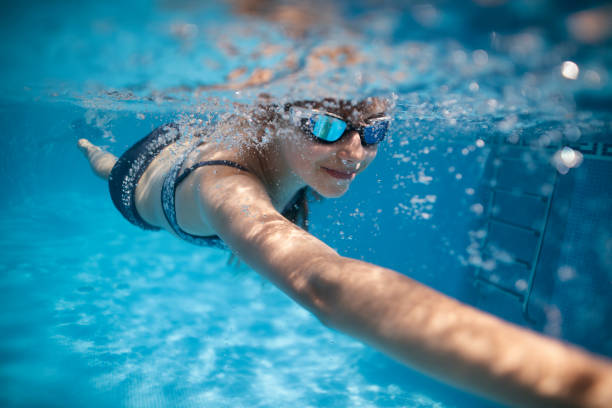
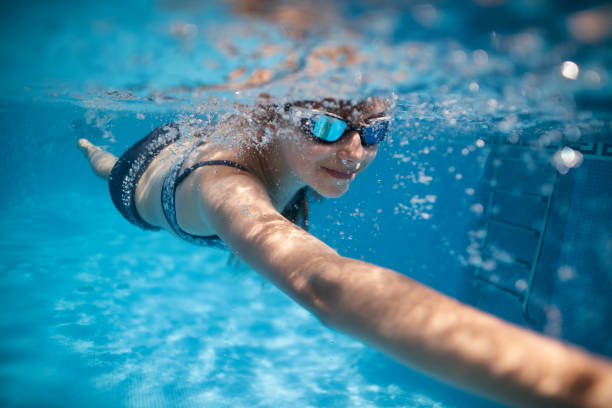
Little girl swimming freestyle in a swimming pool. Shot from underwater. Shallow depth of field Nikon D810

How to dive properly?

Certainly! Here are five tips on how to dive properly:

  1. Check the Water: Before diving, always ensure that the water is deep enough and free from obstacles. Shallow or unclear water can lead to serious injuries. Check for any signs indicating the depth of the water and be aware of potential hazards.
  2. Body Positioning: Maintain a streamlined body position when diving. Stand with your feet together at the edge of the diving area, and keep your body straight. As you dive, extend your arms forward and point your hands, leading with your head. This helps reduce water resistance and minimizes the risk of injury.
  3. Choose the Right Dive Style: Different types of dives require specific techniques. For beginners, a simple forward dive is often recommended. Tuck and pike dives involve more advanced maneuvers. Choose a dive style that matches your skill level and gradually progress as you become more experienced.
  4. Practice Good Technique: Focus on proper technique to ensure a safe and effective dive. Tuck your chin to your chest, squeeze your body into a tight position, and keep your legs straight. Point your toes to create a sleeker shape, which helps reduce drag and enhances your overall diving performance.
  5. Warm-Up and Stretch: Before attempting any dives, it’s crucial to warm up your muscles and stretch. A thorough warm-up helps prevent injuries and increases flexibility. Pay particular attention to your neck, shoulders, and lower back. Warm muscles are more responsive and less prone to strains.

Remember, safety is paramount when diving. If you’re new to diving or unsure of your abilities, consider seeking guidance from a certified diving instructor. They can provide personalized tips and ensure you follow the appropriate safety measures for your skill level.

Open post

How to learn  how to swim

Learning how to swim can be a rewarding and empowering experience. Here are five steps to help you get started:

  1. Overcome Fear and Gain Confidence: Start by getting comfortable in the water. Spend time in shallow areas, gradually progressing to deeper sections as you become more at ease. Practice floating on your back and stomach to build water confidence. Relax, control your breathing, and remind yourself that learning to swim is a gradual process.
  2. Enroll in Swimming Classes: Consider joining swimming classes led by certified instructors. Look for classes that cater to beginners or adults if you are new to swimming. Instructors can provide structured lessons, teach proper techniques, and offer guidance on overcoming specific challenges. Group classes also provide a supportive and social learning environment.
  3. Practice Basic Floating and Breathing Techniques: Learn fundamental skills such as floating and proper breathing. Floating on your back helps you feel more comfortable in the water and builds confidence. Practice controlled breathing by exhaling underwater and inhaling when you turn your head to the side. Mastering these basic techniques sets the foundation for more advanced swimming skills.
  4. Gradually Learn Swimming Strokes: Start with basic swimming strokes, such as freestyle and backstroke. These strokes are often easier for beginners to grasp. Work on one stroke at a time, focusing on proper arm movements, kicking, and body positioning. As you become more proficient, you can gradually introduce more advanced strokes like breaststroke and butterfly.
  5. Consistent Practice and Patience: Improvement comes with consistent practice, so make swimming a regular part of your routine. Set aside dedicated time for practice sessions, whether in a pool or a controlled water environment. Be patient with yourself, celebrate small victories, and understand that progress may take time. Consistency is key to building strength, endurance, and refining your swimming skills.

Remember, safety should always be a priority. If you’re uncomfortable or facing challenges, seek guidance from your instructor or a more experienced swimmer. Learning to swim is a gradual process, and with perseverance, you can develop the skills to enjoy and feel confident in the water.

Scroll to top